Understanding Behaviour
 Building Brands
 Improving Experiences
 About Us
 Our Team
 Our Associations
 Our Work
 Our Clients
 How We Do It
 Products We Use
 Where We Do It
 Political Polls
 Consumer Trends
 Our Thinking
 Latest RED C News
 Get in Touch
 Join RED C
 Join our Online Panel






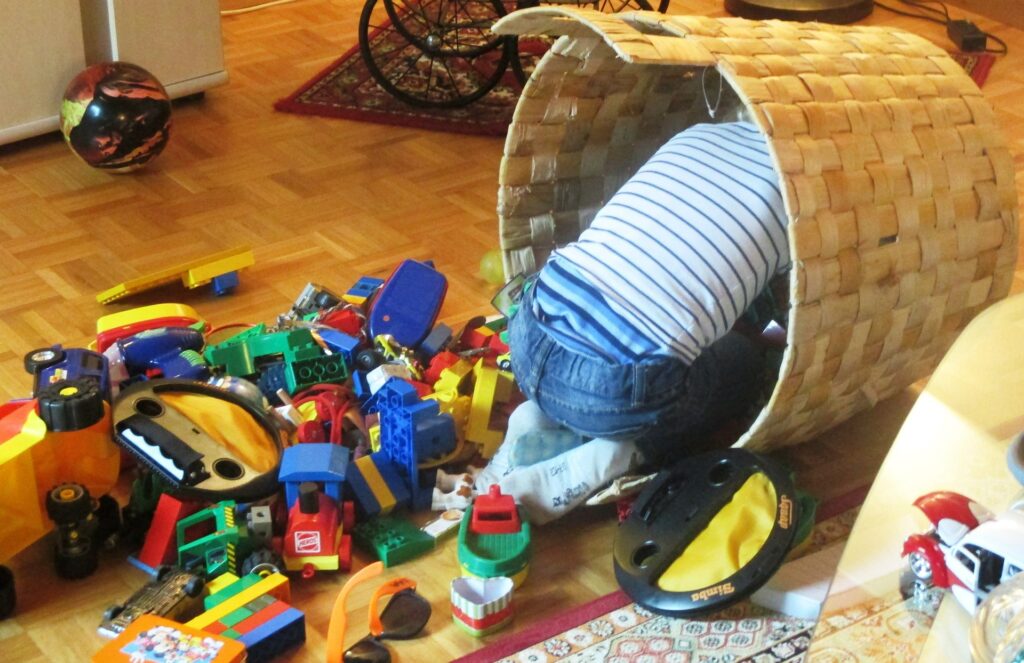











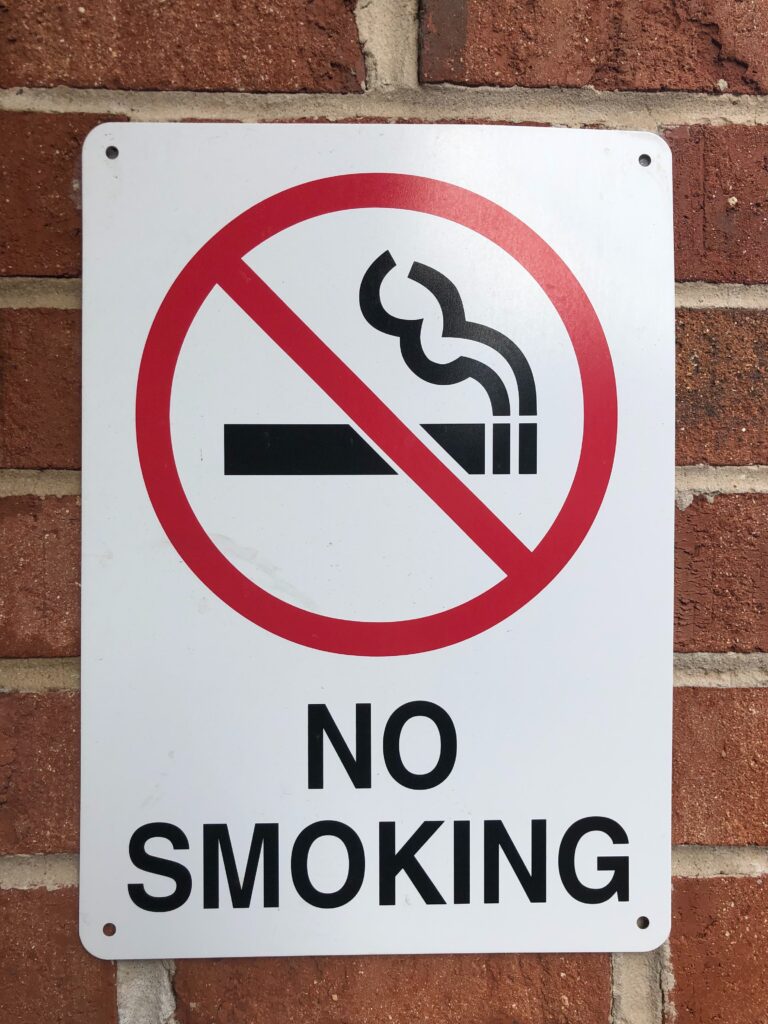











1 in 5 young women in Ireland have experienced sexual harassment in the past year
March 7, 2025




How we help you




We are highly regarded






















Some of our work

Market Behaviour
Ongoing international tracking to understand holidaymakers’ changing needs

NPD
Research to underpin a new broadband innovation for a telecoms provider seeking to enhance its broadband offering and differentiate versus competitors in a crowed market.

Social Understanding
Understanding the prevalence, nature and impact of in-partner abuse among young people to underpin a social campaign that encouraged reporting of incidences.

Strategic Planning
Delivering strategic planning through research designed to drive sales across a range of target international markets over the next five years for a Chilean wine brand.
What our clients say about us
The insight provide by RED C has been very important and has confirmed exactly what we need to do in terms of targeting; it’s given us a clear understanding of who the new investor is so we can be much more relevant in messaging and efficient with our media. The research is being used across the business, from informing the thought process of the agency working on our social strategy to media planning. We were really impressed with how the team navigated a complex topic and look forward to working together again in the future.

Head of Channel Marketing
/Global Financial Brand
How you can